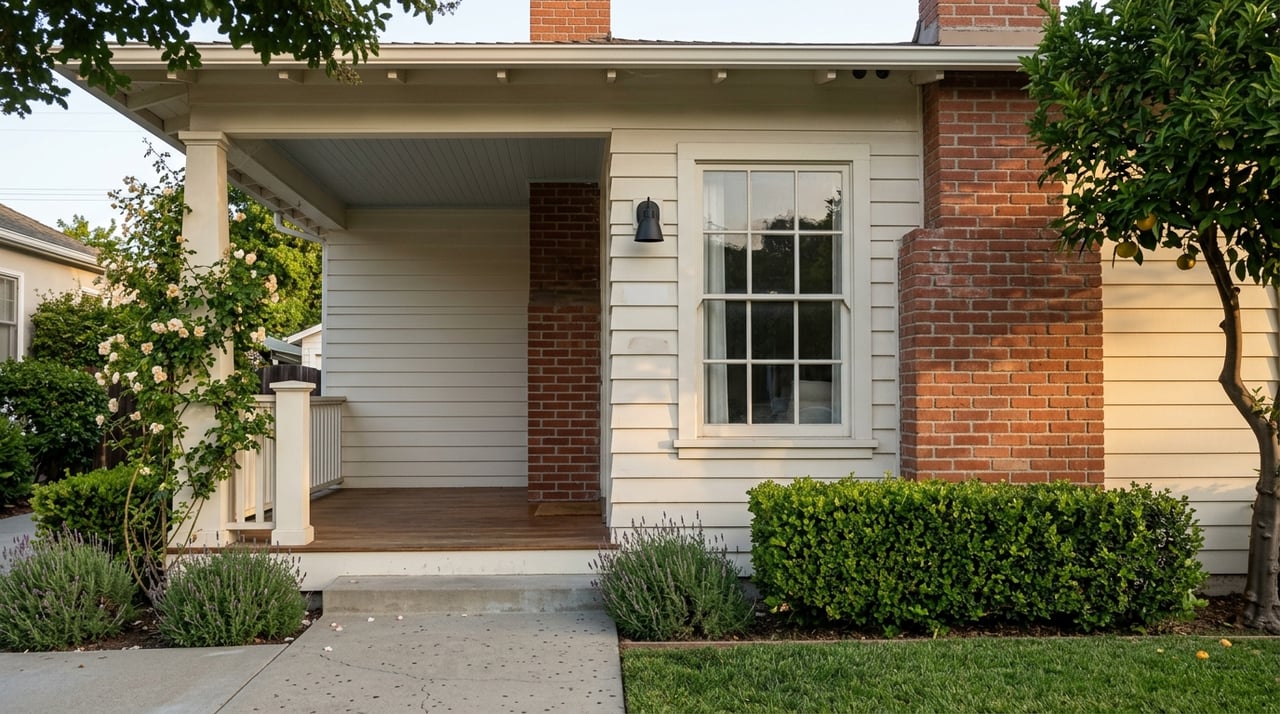
Historic Charm Or Newer Build In Orange: How To Choose
July 2, 2026
July 2, 2026
Wondering whether Orange’s historic charm is worth the extra upkeep, or if a newer build will make life easier? You are not alone. If you are choosing between a bungalow near Old Towne and a more recent home in one of Orange’s newer development areas, the right answer comes down to how you want to live, what projects you may take on later, and how much flexibility you want. Let’s break it down.
Orange stands out because it gives you two very different housing experiences in one city. According to the city, local housing spans Victorian cottages, Craftsman bungalows, post-war ranch homes, and contemporary residences.
You can feel that contrast in the street patterns too. Some areas follow older grid-style layouts, while others reflect newer curving streets and cul-de-sac designs. That mix is a big reason buyers often pause before deciding what type of home fits them best.
If you picture historic Orange, you are probably picturing Old Towne. The city says the earliest buildings there date to the 1880s, and Old Towne contains the largest nationally registered historic district in California.
That history is visible in everyday details. The district includes homes and buildings tied to a period of significance from 1888 to 1940, which helps explain why pre-war cottages and bungalows shape so much of the area’s identity.
Old Towne’s design standards highlight tree-lined streets, front porches, similar setbacks, detached accessory buildings, and a mix of architectural styles. You may see Folk Victorian, Prairie, Craftsman, Spanish Colonial Revival, and Tudor Revival influences in the same general area.
The city also notes that many original properties have had only minor alterations and still retain their architectural integrity. For you as a buyer, that often translates to stronger visual character and a clearer sense of place.
Historic charm in Orange is not just about what the house looks like. It is also about what your day-to-day life feels like.
The city highlights Old Towne’s antique shops, specialty retail, art galleries, restaurants, farmers market, Chapman University, City Hall, the Orange Public Library & History Center, access to the Orange Metrolink station, and proximity to major freeways. If you want a more walkable downtown setting with established character, this area often stands out.
A historic home can offer a beautiful setting, but it may also come with more rules. In Old Towne’s historic district, most exterior changes must conform to the Historic Preservation Design Standards.
Some smaller projects, such as window or door repair, re-roofing, fences, hardscape, and mechanical equipment, may go through Minor Design Review. Larger changes like additions, roofline changes, new structures, demolition, and relocation are reviewed by the Design Review Committee.
This matters if you already have renovation ideas in mind. The city states that vinyl windows are prohibited in the historic district, and street-visible artificial turf and certain fence materials are also restricted.
That does not mean you cannot improve the property. It means your plans may need to align closely with the district’s design standards from the start.
Orange now requires additional submittals for projects involving historic properties or properties in a historic district. These include evaluations of conformance with the Secretary’s Standards and Old Towne standards.
The city says this upfront work can help streamline review later, but for you, it still means more planning on the front end. If speed and flexibility are top priorities, that is important to factor in before you buy.
In Orange, newer housing is not usually about huge new subdivisions. The city points more toward infill, redevelopment, and mixed-use development patterns.
That means your newer-build options may look different from what you would find in a master-planned community elsewhere. Instead, they are often part of evolving areas shaped by access, convenience, and redevelopment.
The city describes Uptown Orange, west of SR-57, as primarily medical and commercial, with large multifamily developments recently constructed, strong freeway access, and proximity to ARTIC and OC Vibe. The South Main Street Corridor is also positioned as a west-side medical and commercial hub with demand for housing and mixed-use development.
If your priority is access to major employment centers, transit connections, or a more convenience-driven setting, these areas may fit better than a historic core.
Even newer development in Orange is expected to fit its surroundings. The city’s infill guidelines say new streets should reflect nearby street patterns, and new homes should match neighborhood scale and setbacks.
So while newer homes may feel more modern, they are still shaped by the city’s effort to keep development compatible with existing neighborhoods.
Newer homes usually appeal to buyers who want better efficiency from day one. The U.S. Department of Energy says insulation is more cost-effective to add during construction, and efficient new homes are designed to support energy savings, comfort, health, and durability.
The agency also notes that energy-efficient windows are an important consideration in new construction. In practical terms, that can mean less guesswork and fewer immediate upgrades after move-in.
Outside historic districts, Orange has streamlined design review for eligible new development and property improvements. The city says qualifying projects can be reviewed administratively by Planning staff rather than going to a public Design Review Committee meeting.
For you, that can be a meaningful advantage if you expect to remodel later. A simpler approval path often makes a newer home more appealing to buyers who want flexibility.
A historic or older home can be incredibly rewarding, but it usually asks more of you upfront. The EPA says homes built before 1978 are more likely to contain lead-based paint, and renovation or repair work can create hazardous lead dust.
That means testing, lead-safe work practices, and contractor selection should be part of your planning if you are considering major updates.
California also notes that older houses are often not bolted to their foundations. The state describes a residential seismic retrofit as bolting the house to the foundation and bracing the crawl-space perimeter to help reduce earthquake damage.
That does not mean every older home needs the same work. It does mean you should look closely at foundation and retrofit details during due diligence.
Not every older-home issue points to replacement. Orange’s preservation guidance notes that repairing and restoring original windows and doors is often the most cost-effective way to preserve a historic home.
The city also notes that old-growth lumber can outperform some modern replacement materials over time. If you appreciate craftsmanship, that can be part of the value equation.
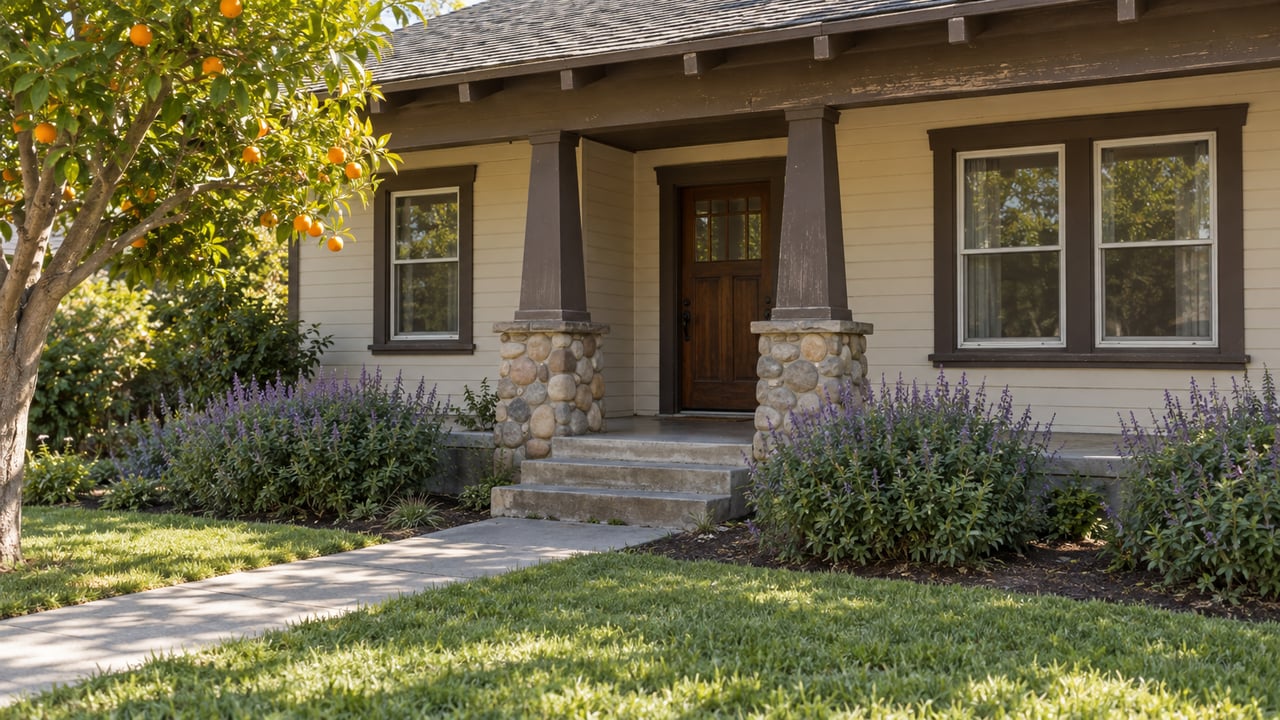
A historic home in Orange may be your better match if you care most about architecture, porches, mature streetscapes, and a strong sense of neighborhood identity. Old Towne is especially compelling if you want a walkable downtown setting with a deeper connection to the city’s history.
This choice usually works best when you are comfortable with more hands-on upkeep and more structured review for exterior changes. In return, you get a home with a look and feel that is hard to replicate.
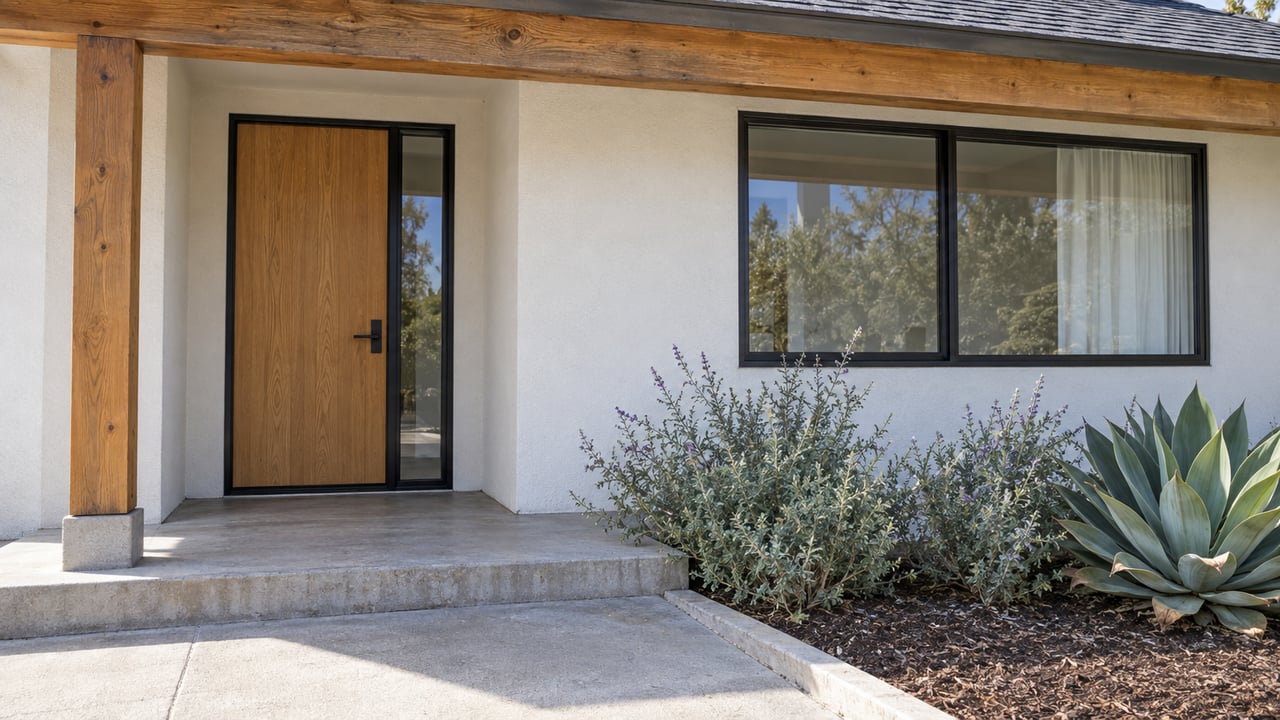
A newer home may be the better fit if you care most about energy efficiency, a simpler approval path, and more freedom to remodel later. In Orange, that often means looking at areas tied to infill, mixed-use convenience, freeway access, and newer development patterns.
If your lifestyle is busy and you want fewer property-specific projects right away, newer construction can make daily ownership feel more straightforward.
Before you choose, it helps to look beyond style alone. Compare each property through three lenses:
When you compare homes this way, the decision gets clearer. The best home is not always the prettiest one at first glance. It is the one that fits your daily life, your comfort with maintenance, and your long-term plans.
If you are weighing historic charm against newer construction in Orange, a design-minded buying strategy can help you see both the emotional and practical side of the decision. Whether you want character, convenience, or a mix of both, working with an agent who understands presentation, layout potential, and neighborhood context can make your next move much more confident. If you are ready to talk through your options in Orange, reach out to Cassie French.

Cassie French
Cassie French is a top real estate agent serving Newport Beach and North Tustin, specializing in helping homeowners maximize their home's value through strategic preparation, expert staging, and results-driven marketing. As a member of The Agency Orange County and owner of Classy AF Interiors, she combines real estate expertise with professional design experience to position homes for stronger buyer demand and top-dollar sales. With a hands-on, client-first approach and experience renovating over 100 homes, Cassie is trusted for her market knowledge, attention to detail, and proven ability to deliver exceptional results for sellers.

Enthusiastic, upbeat, and energetic, Cassie French's passion for the Newport Beach & North Tustin community shines through every interaction and transaction. Part of The Agency Orange County, Cassie's fresh perspective pairs beautifully with her commitment to excellence and extensive knowledge of the area to provide clients with unmatched guidance and care.
3426 East Coast Highway Corona Del Mar, CA 92625