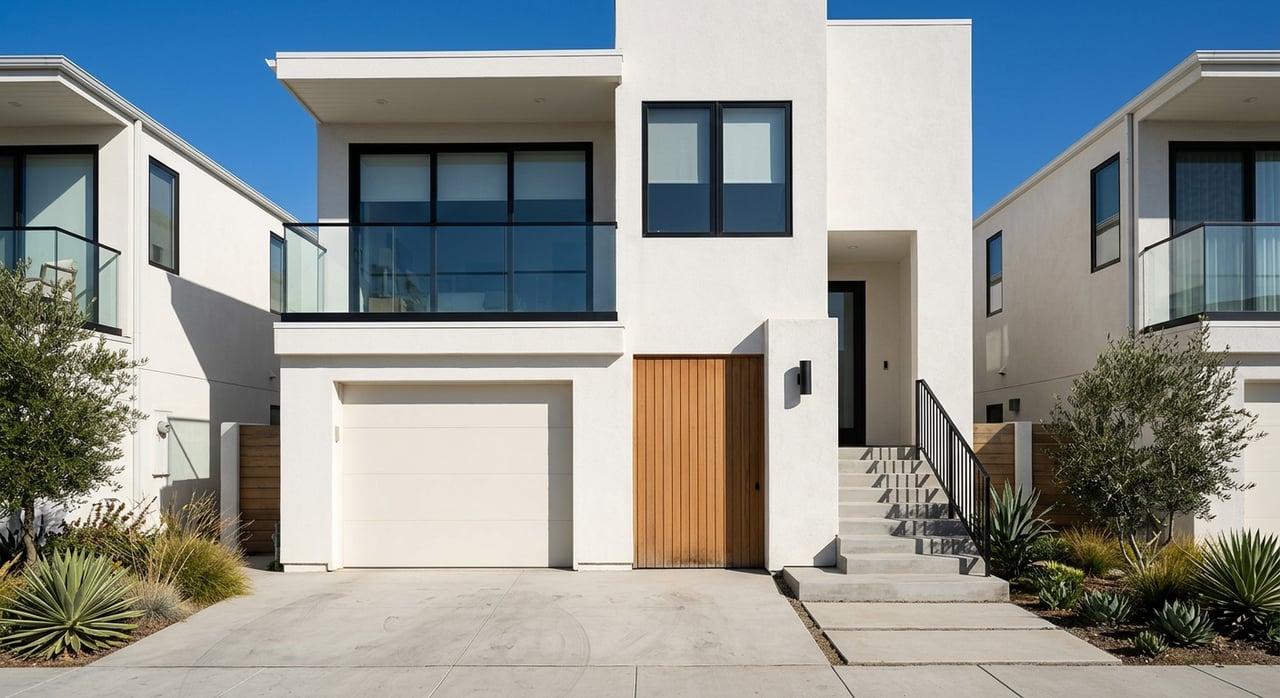
Buying a Condo for Lock-and-Leave Living in Corona del Mar
March 5, 2026
March 5, 2026
Dreaming of a beach-base you can enjoy on weekends, then lock, leave, and not worry about while you travel or head back to the city? In Corona del Mar, that lifestyle is very real if you know where to look and what to check. Whether you are downsizing or buying a second home, you want minimal upkeep, walkable perks, and predictable costs. In this guide, you’ll learn how lock-and-leave living works in CdM, what it costs, and the key due diligence steps to protect your time and budget. Let’s dive in.
You get coastal energy, great dining, and beach access in a compact, well-kept neighborhood. The Village core can deliver true park-your-car-for-the-weekend living with cafés, boutiques, and the beach in easy reach. If you prefer views over walkability, bluff and Shore Cliffs locations trade daily errands for scenery.
CdM is a luxury micro-market. The typical home value sits around $4.00M based on a locality index as of late January 2026. Pricing varies by product type and by whether you look at list or sold data. Because the area is small and segmented, treat any single number as directional, not absolute.
Lock-and-leave features to prioritize: assigned parking, in-unit laundry, ample storage, smart locks and water shutoffs, HVAC safeguards, and an on-site manager or professional property management company.
The right price depends on location, view, age, and building services. Here are common ranges seen in recent listings and market reports for CdM:
Because CdM is a small, high-end market, list medians and sold medians can swing based on product mix. Always compare active listings to recent closed sales for your specific property type and street.
HOA fees in CdM vary widely by age and amenities. Low-amenity complexes can come in under $500 per month. Mid-amenity buildings often land in the $500 to $1,200 per month range. Full-service or oceanfront buildings can be $1,200+ per month. Recent listing samples show fees like $444, $490, $650, and $1,430 per month depending on the building.
Never assume. Read the HOA budget to confirm what is included. Typical inclusions may be exterior maintenance, landscaping, common-area utilities, master building insurance, trash, and sometimes water. Elevator service, on-site staff, and premium amenities will raise monthly costs, but they also increase convenience for a lock-and-leave lifestyle.
If you plan to rent your home when you are away, get clear on Newport Beach’s short-term lodging rules early. The City requires a Short-Term Lodging Permit, sets operating conditions, and caps active permits at 1,550. A Transient Occupancy Tax of 10% applies. Read the City’s requirements in the municipal code for Short-Term Lodging permits (NBMC Chapter 5.95). If rental income matters, verify whether a specific unit has an active, transferable permit before you write an offer.
Your lender will review more than your income and the unit. For condos and many townhome projects, the association itself must meet project-eligibility standards. Fannie Mae has detailed guidance on project approvals, limited vs full reviews, and red flags like excessive investor ownership, HOA litigation, or low reserves. Projects that do not meet standards are often called non-warrantable, which can limit loan options. Share the building information with your lender early and review Fannie Mae’s project standards as you evaluate options.
Coastal and bluff properties in CdM face added permitting and engineering considerations. The City’s development code requires coastal hazards reports and considers sea-level rise, which can affect remodel plans and approvals. If you are near the shoreline or bluff edge, factor in coastal development rules outlined in the City’s Coastal zoning and hazards section.
Insurance and flood exposure can change ownership costs. Use the NOAA Sea Level Rise Viewer as a first check for low-lying areas and potential inundation scenarios. You can start with the NOAA Sea Level Rise Viewer to map exposure. For flood zones, insurers and lenders will require specific determinations, which can influence loan terms and premiums.
In California, associations must follow the Davis-Stirling Act for reserve planning and disclosures. Civil Code Section 5550 requires a visual reserve study at least once every three years, with an annual review. The study must identify major components, remaining useful life, replacement costs, and a 30-year funding plan. Ask for the latest reserve study, three years of budgets, and the percent-funded figure. Review the law’s requirements here: California Civil Code Section 5550.
Low reserves or pending special assessments can undermine the whole lock-and-leave idea. Healthy reserves mean fewer surprise projects and more predictable monthly costs.
Use this list to keep your purchase process tight and low stress:
You want a home that lives easy from day one. Focus on move-in keys like light, storage, and durable finishes. Simple upgrades, like smart locks, leak detectors, and organized entry storage, can make lock-and-leave living feel seamless. If you plan light updates, confirm any coastal permit triggers early so timelines stay on track.
Working with a local, design-minded agent helps you balance lifestyle goals with due diligence. You should expect guidance on HOA health, parking realities by block, and the tradeoffs between views and walkability. That way, you can enjoy the beach on Friday night instead of reading budgets and bylaws.
Ready to build your shortlist and tour the best lock-and-leave options in Corona del Mar? Connect with Cassie French to start a targeted, design-savvy search that fits your budget and weekend plans.

Cassie French
Cassie French is a top real estate agent serving Newport Beach and North Tustin, specializing in helping homeowners maximize their home's value through strategic preparation, expert staging, and results-driven marketing. As a member of The Agency Orange County and owner of Classy AF Interiors, she combines real estate expertise with professional design experience to position homes for stronger buyer demand and top-dollar sales. With a hands-on, client-first approach and experience renovating over 100 homes, Cassie is trusted for her market knowledge, attention to detail, and proven ability to deliver exceptional results for sellers.


Facts about buying an Orange County Home

Enthusiastic, upbeat, and energetic, Cassie French's passion for the Newport Beach & North Tustin community shines through every interaction and transaction. Part of The Agency Orange County, Cassie's fresh perspective pairs beautifully with her commitment to excellence and extensive knowledge of the area to provide clients with unmatched guidance and care.

3426 East Coast Highway Corona Del Mar, CA 92625